Source Induction Compatible Baby Food Pot with Glass Lid for Home, Travel, and Gifting
Find and compare 30 listings for an induction compatible baby food pot with glass lid. Evaluate options featuring non-stick aluminum construction, FDA and LFGB certifications, and customizable colors to suit your procurement needs.
Key considerations
Products List





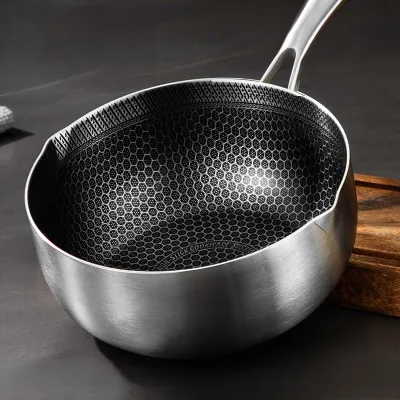


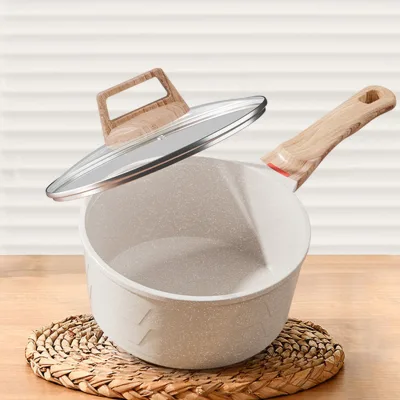


Comprehensive Sourcing Guide
Induction Compatible Baby Food Pot with Glass Lid Sourcing Guide
Sourcing specialized cookware for infant nutrition requires a precise balance of material safety, thermal efficiency, and ergonomic design. The core keyword "induction compatible baby food pot with glass lid" points to a niche segment of kitchenware where manufacturers must reconcile the magnetic requirements of induction stovetops with the delicate nature of small-volume cooking. Buyers in this space are typically looking for products that offer precise temperature control to preserve nutrients in baby food while ensuring the vessel is safe for direct contact with infants. The presence of a glass lid is a critical differentiator, allowing caregivers to monitor cooking progress without releasing heat, which is essential for maintaining consistent textures in purees and soups.
This guide synthesizes observed market data and trusted category knowledge to help procurement professionals navigate the complexities of this product category. The analysis focuses on verified attributes such as certification standards, material compositions, and manufacturing origins. By adhering to the facts provided, this document aims to provide a robust framework for evaluating suppliers and products, ensuring that the final selection meets both functional performance standards and rigorous safety requirements for baby-related products.
Product Scope and Observed Listing Signals
The current market landscape for induction-compatible baby food pots reveals a diverse range of product configurations, though specific attributes vary significantly across listings. Observed data indicates a price range of $0.98 to $30.10 USD, suggesting a wide spectrum from basic utility items to premium, branded solutions. The minimum order quantity (MOQ) ranges from 1 to 1,000 units, offering flexibility for both small boutique brands and large-scale retailers. A notable observation is the prevalence of customization options, with many suppliers explicitly stating that customized colors, logos, and OEM services are available, which is crucial for private-label buyers seeking brand differentiation.
Material composition and design styles also show considerable variation. While some listings highlight aluminum bottoms with non-stick coatings for rapid heat distribution, others focus on stainless steel or glass construction. The observed product attributes include round shapes, colorful finishes, and specific dimensions such as a 20 cm diameter for certain models, while others are categorized under smaller capacities like less than 1 liter, which is ideal for single-serving baby meals. Additionally, features such as induction-compatible bottoms, oven-safe capabilities, and easy-to-clean surfaces are frequently cited, indicating that modern buyers prioritize versatility and maintenance convenience alongside safety.
Technical Specifications to Verify
When evaluating technical specifications, the compatibility with induction cooktops is a primary concern that requires careful verification. Although many products claim induction compatibility, the underlying mechanism often involves a magnetic stainless steel layer or a composite bottom structure. Buyers should verify the specific material composition of the pot's base, as pure aluminum or glass cannot be used directly on induction stoves without an added ferromagnetic layer. The observed data mentions "Induction Bottom (option)" and "General Use for Gas and Induction Cooker," which suggests that not all models in this category are universally compatible, and buyers must confirm the specific construction of the base for their intended use case.
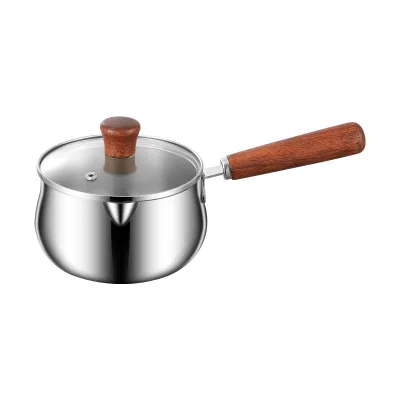
The choice of lid material and handle construction also plays a vital role in the product's functionality and safety. Glass lids are preferred for their transparency and heat resistance, but buyers must ensure the glass is tempered to withstand thermal shock. Handle materials, such as the observed Bakelite red handles, offer heat insulation, which is critical when handling pots on hot stovetops. Additionally, the interior coating, often described as non-stick black coating, should be inspected for durability and safety, particularly regarding the absence of harmful chemicals like PFOA. The maximum temperature rating, observed at 500°F for some models, provides a benchmark for thermal stability, but buyers should verify if this rating applies to the entire pot or just specific components.
Compliance and Safety Documentation
Safety certifications are non-negotiable for baby food cookware, given the direct contact with infant nutrition. The observed listings frequently mention FDA, CE/EU, and LFGB certifications, which are critical indicators of compliance with international safety standards. FDA certification ensures that materials are safe for food contact in the United States, while CE marking indicates conformity with health, safety, and environmental protection standards for products sold within the European Economic Area. LFGB certification, particularly stringent in Germany and the EU, tests for the migration of substances from food contact materials into food, providing an additional layer of assurance for sensitive applications like baby food preparation.
Beyond certifications, buyers should request detailed documentation regarding the materials used in construction. This includes proof that the non-stick coatings are free from toxic substances and that the glass lids are made from borosilicate or tempered glass to prevent shattering. The observed data also highlights "Oven Safe" care instructions, which implies that the product can withstand higher temperatures, but buyers must verify if this applies to the lid and handle as well, as these components often have lower thermal limits than the pot body. Ensuring that all components meet the relevant safety standards is essential to mitigate liability and protect consumer health.
Cost Drivers and Commercial Terms
Several factors influence the cost structure of induction-compatible baby food pots, with material quality and customization being primary drivers. The use of high-grade stainless steel or multi-ply aluminum bases increases production costs but enhances durability and induction efficiency. Customization options, such as personalized colors, logos, and packaging, add to the unit price due to the setup costs and lower economies of scale associated with bespoke orders. The observed price range of $0.98 to $30.10 reflects these variations, with lower prices likely corresponding to basic, unbranded items and higher prices to premium, certified, and customized products.
Commercial terms, including MOQs and lead times, also impact the total cost of ownership. The observed MOQ range of 1 to 1,000 units allows for flexible ordering, but larger orders typically benefit from volume discounts. Buyers should negotiate clear terms regarding packaging, as the observed data mentions both bubble bag and carton box packaging, which can affect shipping costs and product protection. Additionally, understanding the supplier's production capacity and lead times is crucial for inventory planning, especially when dealing with customized orders that may require longer production cycles.
Supplier Qualification and Quality Control
Selecting a reliable supplier requires a thorough assessment of their manufacturing capabilities and quality control processes. Buyers should prioritize suppliers with a proven track record in producing cookware that meets international safety standards. The observed data indicates that many suppliers are located in Zhejiang and Hebei, China, regions known for their manufacturing expertise in kitchenware. However, location alone is not a guarantee of quality, and buyers should conduct on-site audits or request third-party inspection reports to verify production standards.
Quality control measures should include rigorous testing of induction compatibility, thermal shock resistance, and coating durability. Buyers should ask suppliers for test reports from accredited laboratories, particularly for certifications like LFGB and FDA. Additionally, implementing a pre-shipment inspection protocol can help identify defects before goods are dispatched. Establishing clear communication channels and requiring detailed product specifications in contracts ensures that both parties have a shared understanding of quality expectations, reducing the risk of disputes and returns.
Long-Term Procurement Checks
Sourcing baby food cookware is an ongoing process that requires continuous monitoring of market trends and regulatory changes. Buyers should stay informed about updates to safety standards in key markets, such as the EU and US, to ensure that their products remain compliant. Regularly reviewing supplier performance metrics, including on-time delivery rates and defect rates, helps maintain a high standard of quality. Additionally, exploring new materials and technologies, such as improved non-stick coatings or more efficient induction-compatible bases, can provide a competitive edge in the market.
Building long-term relationships with suppliers can lead to better pricing, priority production, and access to new product developments. Buyers should engage in regular business reviews with their suppliers to discuss performance, address issues, and plan for future orders. By maintaining a proactive approach to procurement, buyers can ensure a steady supply of high-quality, safe, and innovative baby food cookware that meets the evolving needs of their customers.
FAQs
Can this baby food pot be used on induction cookers?
Yes, the pot is compatible with induction cookers. It features an induction bottom option and is designed for general use on both gas and induction stoves. This versatility allows for flexible cooking methods in various kitchen setups while maintaining efficient heat transfer for preparing baby meals.
What material is used for the baby food pot body?
The pot body is made from aluminum metal. It features a non-stick black coating on the interior for easy cleaning and food safety. The exterior includes a bakelite red handle for heat resistance, ensuring safe handling during the cooking process while providing durable performance for daily use.
What certifications does the cookware hold?
The product holds FDA, CE/EU, and LFGB certifications. These standards ensure the materials are safe for food contact and meet international regulatory requirements. Buyers can rely on these verified credentials for quality assurance when sourcing cookware for baby food preparation, ensuring compliance with strict safety norms.
Is customization available for the baby food pot?
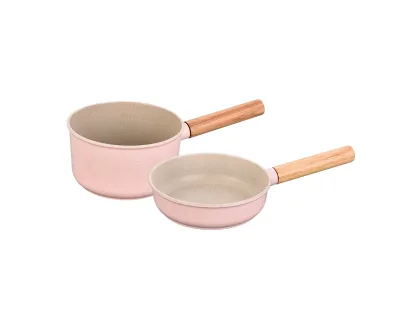
Customization is available for this product. Buyers can request customized colors, including pink and sky blue options, as well as customized logos. OEM services are welcomed, allowing brands to tailor the design and branding to their specific market needs while maintaining the core functional attributes of the pot.
What is the capacity and size of the pot?
The pot has a capacity of less than 1 liter and a diameter of 20 cm. This size is ideal for preparing small portions of baby food or milk. The compact dimensions make it suitable for individual servings, ensuring efficient cooking times and easy storage in standard kitchen cabinets.
How is the product packed for shipping?
The product is packed in a bubble bag for individual protection. Bulk shipments are standardized at 8 pieces per carton. This packaging method ensures the non-stick coating and handle remain undamaged during transit, providing secure delivery for international buyers while maintaining the product's pristine condition upon arrival.